
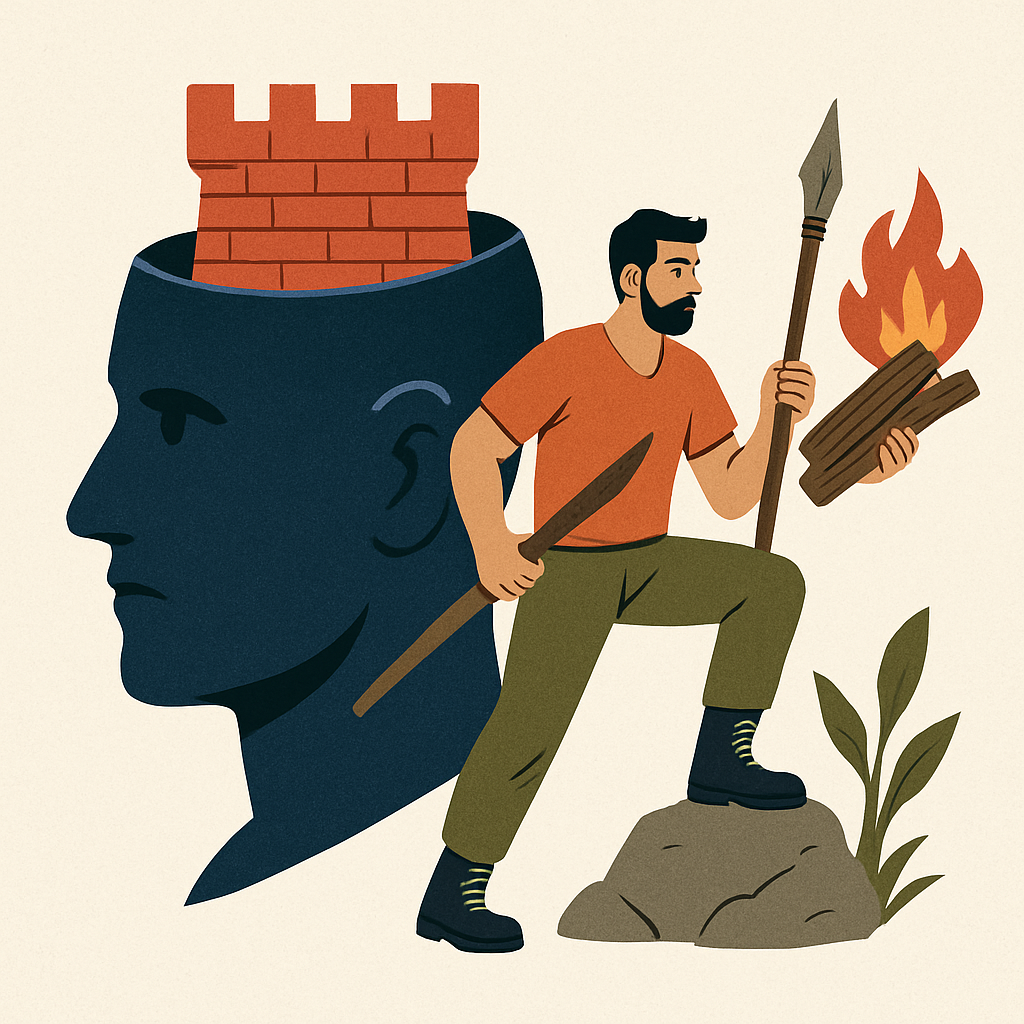
In today's fast-paced world, developing a robust survival mindset is more crucial than ever. Whether you're facing personal challenges or global uncertainties, the ability to adapt and thrive is essential. But how do you cultivate this kind of resilience? This guide will walk you through the key elements of building a strong survival mindset, helping you to not only survive but truly thrive.
Understanding the Survival Mindset
A survival mindset is a mental framework that enables individuals to face and overcome adversities. It's about being prepared, both mentally and emotionally, for any situation that life throws your way. This mindset is not just about enduring difficult times but also about finding opportunities for growth and learning in every challenge.
To develop a survival mindset, begin by acknowledging the reality of your circumstances. Acceptance is the first step towards empowerment. Once you accept the situation, you can plan and act effectively, rather than react out of fear or anxiety. Remember, it's not the strongest who survive, but those who are most adaptable to change. For instance, consider the story of Ernest Shackleton, the Antarctic explorer who kept his crew alive against all odds by focusing on adaptability and problem-solving.
The Power of Positive Thinking
Positive thinking is a cornerstone of a strong survival mindset. It doesn't mean ignoring life's challenges but rather approaching them with a constructive attitude. Positive thinking helps you manage stress and maintain a clear focus on solutions rather than problems.
For instance, during a personal crisis, maintaining a positive outlook can help you identify silver linings and opportunities for growth. This shift in perspective can transform a potentially negative experience into a valuable lesson. Practice gratitude daily to foster positive thinking; acknowledging what you're thankful for can greatly enhance your resilience.
Consider the experience of Thomas Edison, who viewed each failure as a stepping stone to success. His positive outlook enabled him to persevere despite numerous setbacks. You can adopt similar practices by keeping a gratitude journal or using positive affirmations to reinforce a constructive mindset.
Building Emotional Resilience
Emotional resilience is the ability to bounce back from setbacks. It's about remaining calm and composed in the face of adversity. To build emotional resilience, focus on developing healthy coping mechanisms. This might include mindfulness practices, such as meditation or deep breathing exercises, which can help regulate emotional responses and reduce stress.
Consider the story of a person who lost their job unexpectedly. Instead of succumbing to despair, they took this as an opportunity to explore new career paths and ultimately found a more fulfilling role. Their emotional resilience allowed them to navigate the crisis with optimism and determination.
Another example is the practice of cognitive-behavioral techniques to reframe negative thoughts. By challenging and changing negative thought patterns, you can build stronger emotional resilience. Engaging in regular physical activity and maintaining a balanced diet are also crucial as they contribute to overall well-being and stress management.
Developing Problem-Solving Skills
A strong survival mindset requires effective problem-solving skills. Being able to assess a situation, identify potential solutions, and make informed decisions is crucial. Start by breaking down complex challenges into smaller, manageable parts. This makes it easier to tackle each component without feeling overwhelmed.
For example, if you're facing financial difficulties, begin by analyzing your expenses and income. Create a budget plan that prioritizes essential needs and explore ways to increase your income. This proactive approach not only addresses the immediate issue but also enhances your confidence in managing future challenges.
Problem-solving can be enhanced by learning from past experiences and seeking feedback from others. Engaging in activities such as puzzles or strategic games can also sharpen your analytical skills and improve your ability to think critically under pressure.
Cultivating Adaptability
Adaptability is the ability to adjust to new conditions and embrace change. In a constantly evolving world, adaptability is vital for survival and growth. To cultivate adaptability, practice being open to new experiences and willing to learn. Embrace change as an opportunity for personal development rather than a threat.
Consider the case of someone who relocated to a new city. Initially, the change was daunting, but by embracing the new environment and seeking out social connections, they were able to integrate and thrive. Their adaptability allowed them to transform a challenging situation into a rewarding experience.
To further enhance adaptability, consider adopting a lifelong learning mindset. Engage in continuous education, whether through formal courses or self-directed learning. This not only keeps your skills relevant but also prepares you to handle unexpected changes in your personal or professional life.
Building a Support Network
A strong support network is invaluable in cultivating a survival mindset. Surrounding yourself with positive, supportive individuals provides emotional strength and practical assistance when needed. Reach out to family, friends, or community groups to build a network that you can rely on during tough times.
For instance, during a health crisis, having a support network can provide not only emotional comfort but also practical help, such as assistance with daily tasks. This sense of community can significantly boost your resilience and ability to cope with adversity.
Joining support groups related to specific challenges you face can also be beneficial. These groups offer a platform to share experiences and gain insights from others who have faced similar situations. Remember, seeking help is a sign of strength, not weakness.
Conclusion: Embrace the Journey
Building a strong survival mindset is a journey, not a destination. It's about continuously developing the skills and attitudes necessary to thrive in the face of challenges. By focusing on positive thinking, emotional resilience, problem-solving, adaptability, and building a support network, you can cultivate a mindset that empowers you to navigate life's uncertainties with confidence.
Are you ready to take the next step in developing your survival mindset? Discover more strategies and tools to enhance your resilience with our comprehensive guide. <a href="https://hop.clickbank.net/?affiliate=thompsonl7&vendor=bugin&utm_source=clickbank&utm_medium=affiliate&utm_campaign=self-help&utm_content=BUGIN&subid=aimne-c3ede2317ae5406c" rel="sponsored nofollow noopener" target="_blank">Start your journey now!</a>